


Most people do not switch to organic eyeliner because they are chasing a better cosmetic result. The change usually follows irritation, ingredient intolerance, or discomfort that makes conventional formulas impractical for regular use.
The constraints behind this decision are specific. Some users experience burning or dryness from synthetic dyes and binders. Others struggle with waterline sensitivity where firmer or liquid formulas migrate or sting. Ingredient avoidance also plays a role for those reducing exposure to petroleum derivatives or preservatives. In some cases, the requirement is supervision or child safe use, where simplicity and tolerance outweigh appearance.
The trade off is structural rather than brand dependent. Organic eyeliner limits many stabilizers and film forming agents that improve durability and precision. In return, it prioritizes gentler application and ingredient control, often at the cost of wear time, smudge resistance, or sharp definition.
This guide is written to help readers choose the least compromised option for their situation, not the most impressive product on paper.
Organic eyeliner is not a universal replacement for conventional formulas. It works best under specific constraints and becomes inefficient or frustrating outside of them.
When Organic Eyeliner Makes Sense and When It Does Not
When Organic Eyeliner Is the Right Choice
Organic eyeliner is most appropriate when tolerance and comfort are the primary constraints. This includes users who experience irritation, dryness, or stinging from synthetic dyes, petroleum based binders, or preservatives found in conventional formulations. It is also better suited for low stress daily wear where makeup is applied once and maintained lightly.
Waterline use is another context where organic formulas can make sense, provided the product is designed for softness and minimal migration. In these cases, reduced rigidity and simpler ingredient structures lower friction and discomfort, even though wear time is limited.
Organic eyeliner is also a practical choice for supervised or child use. Here, ingredient simplicity and ease of removal matter more than precision, intensity, or long lasting performance.
When Organic Eyeliner Is the Wrong Tool
Organic eyeliner becomes a poor fit when durability is non negotiable. Oily eyelids, humid environments, long wear days, or situations requiring waterproof performance expose the structural limits of organic formulas quickly.
It is also less suitable for users who rely on sharp, graphic lines or high precision application. The absence of strong film forming agents and setting polymers makes it difficult for organic eyeliner to maintain crisp definition over time.
For those prioritizing longevity, transfer resistance, or minimal touch ups, conventional or hybrid formulations remain more effective, even if they require careful ingredient selection.
Product Lineup by Use Case
The products below are not ranked and are included only because each fits a specific use case. Every option is evaluated by what it does well and where it fails, since organic eyeliners do not perform equally under all conditions. This guide does not identify a universal best option, only the right choice when your situation matches a product’s limits.
Best Organic Pencil for Sensitive Eyes

BaeBlu Natural Eyeliner Pencil
BaeBlu Natural Eyeliner Pencil works best as a maintenance solution for daily eye definition, providing consistent pigment without relying on rigid binders or aggressive setting agents.
The oil based pencil structure prioritizes comfort and flexibility, trading sharp definition and extreme durability for reduced irritation compared with firmer pencils or liquid formulas.
Who Is This For?
People with sensitive eyes who need low friction application
Users maintaining a simple daily makeup routine
Those avoiding liquid or gel eyeliners
Wearers prioritizing comfort over precision
Individuals replacing conventional pencils due to irritation
Where This Falls Short
Oily eyelids that require firm setting formulas
Hot or humid environments
Graphic or highly precise liner styles
Long wear days without touch ups
Waterproof performance requirements
Under normal daily conditions, application remains smooth with minimal pressure, which reduces drag along the lash line and lowers irritation risk for sensitive eyes during routine upper and lower lid use.
As the day progresses, the oil focused structure allows definition to soften gradually instead of cracking or flaking, favoring comfort and flexibility while limiting the ability to maintain sharp edges.
Over repeated wear, performance stays predictable for casual routines, though heat, moisture, and natural skin oils accelerate fading and require touch ups before a full workday is completed.
Verdict
Choose this if daily comfort and ingredient tolerance matter more than sharp definition or extended durability. Avoid this if your routine depends on waterproof wear, oil resistance, or crisp graphic lines.
Best Organic Eyeliner for Waterline Use Only
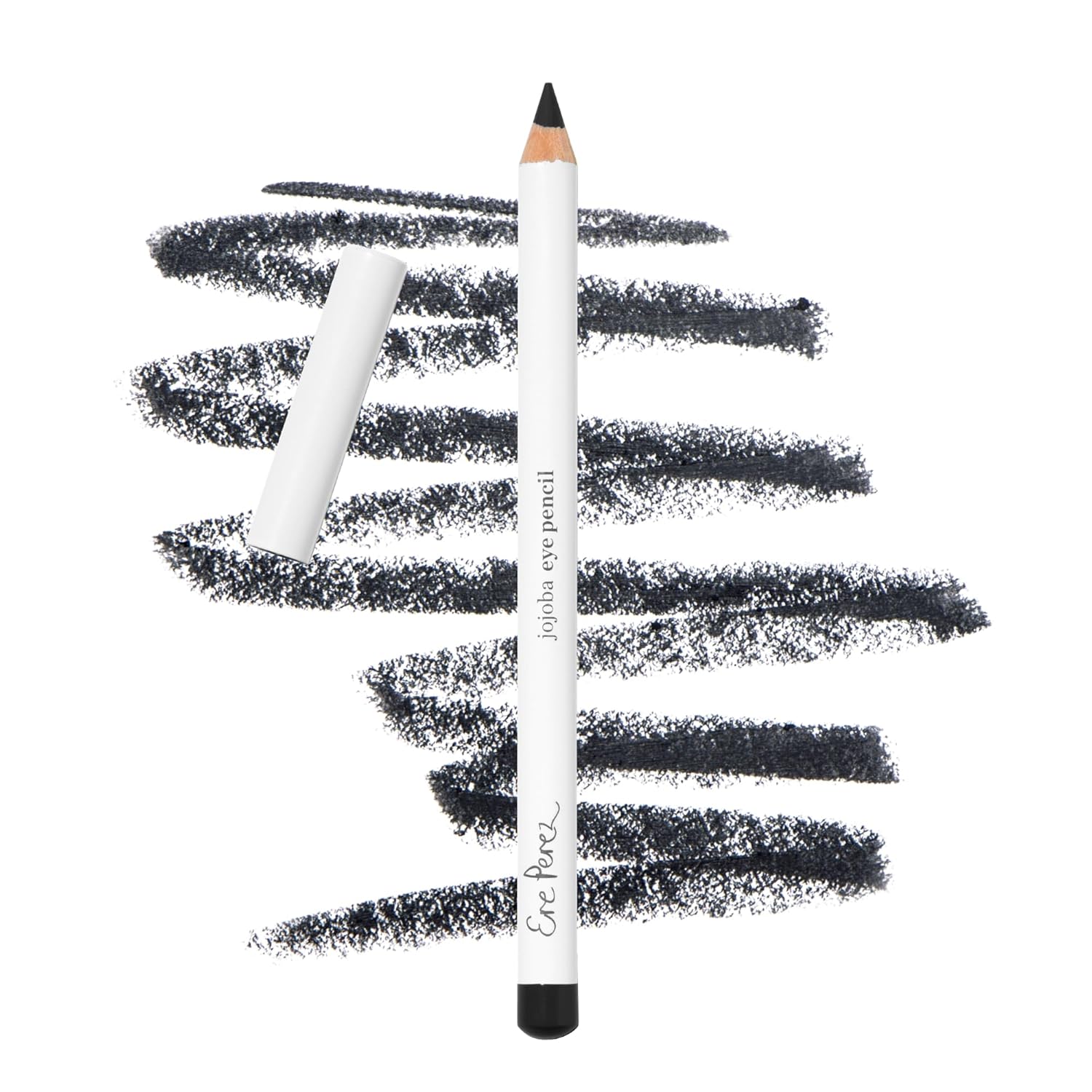
Ere Perez Jojoba Eye Pencil
Ere Perez Jojoba Eye Pencil works best for controlled waterline use, providing gentle pigment delivery without excessive pressure or irritation in sensitive inner eye areas.
The jojoba based structure favors softness and glide, prioritizing tolerance and ease of application over long lasting intensity or precision associated with firmer pencil or liquid formats.
Who Is This For?
People applying eyeliner primarily on the waterline
Users with sensitivity along the inner rim
Wearers avoiding dry or firm pencil formulas
Individuals prioritizing comfort over longevity
Simple routines that require minimal pressure application
Why We Like It
All day wear without reapplication
Watery eyes or high humidity conditions
Bold or dramatic liner styles
Outer lid precision work
Waterproof performance expectations
During waterline application, color transfers smoothly without pressure, which reduces discomfort in sensitive inner eye areas and avoids the dry resistance common with firmer pencil formulations.
As wear continues, the soft structure causes pigment to fade evenly rather than migrate aggressively, improving tolerance but limiting sustained intensity across extended waterline use.
With ongoing wear, moisture from the eye accelerates fading and requires frequent reapplication, making performance reliable only for short intervals rather than all day visibility.
Verdict
Choose this if waterline comfort and tolerance are your primary constraints. Avoid this if you need long lasting intensity or bold definition.
Best Soft Kajal for Child Use

Ayurvedic Herbal Kajal
This Ayurvedic herbal kajal works best for short duration wear where ingredient simplicity and tolerance take priority over structure, precision, or long term performance.
The oil and wax based formulation emphasizes softness and ease of removal, trading durability, stability, and definition for gentler application compared with modern pencil or liquid alternatives.
Who Is This For?
Parents choosing eyeliner for supervised child use where safety matters most
Individuals sensitive to synthetic pigments needing a gentler option
Wearers seeking a soft traditional finish instead of sharp modern definition
Users prioritizing easy removal and minimal residue after short wear
Occasional or ceremonial use cases where longevity is not critical
Why We Like It
Long wear day requirements where repeated reapplication is not practical
Structured or precise liner styles that require firm edges and stability
Humid or high friction environments that accelerate migration and smudging
Smudge resistance expectations for active or extended wear situations
All day definition needs where performance must remain consistent
During application, the kajal glides easily with minimal resistance, allowing gentle placement along the lash line that suits sensitive users and supervised use without tugging or discomfort.
As body heat and movement increase, the oil and wax base lacks rigidity, causing pigment to diffuse quickly into a soft finish instead of maintaining a defined or structured line.
Over time, migration becomes noticeable with moisture or activity, requiring frequent touch ups and limiting suitability for extended wear or precision dependent use cases.
Verdict
Choose this if safety, softness, and simplicity outweigh appearance or durability. Avoid this if you need structure, longevity, or sharp definition.
Best Natural Liquid Eyeliner for Controlled Definition

Honest Beauty Longlasting Liquid Eyeliner
Honest Beauty Longlasting Liquid Eyeliner works best for short duration definition where cleaner pigments are preferred over synthetic waterproof agents or heavy film forming binders.
The liquid structure allows more precision than pencils, prioritizing controlled application and lighter wear while trading long term durability and humidity resistance for improved ingredient tolerance.
Who Is This For?
Users relying on liquid eyeliner for controlled definition during short wear
Wearers creating polished looks for specific occasions rather than all day use
Individuals avoiding heavy waterproof binders due to irritation
Those with moderate eye sensitivity who still need precise line control
Indoor routines where humidity and moisture exposure remain low
Why We Like It
High humidity environments that require strong film forming stability
Long wear days where touch ups are not practical or acceptable
Oily eyelids that break down lighter liquid structures quickly
Waterproof performance needs for tears sweat or weather exposure
Waterline application that demands softer non migrating formulas
Under controlled conditions, application remains even and manageable, allowing defined lines when skin is dry and stable and environmental humidity remains low during wear.
As wear time increases, moisture and eye movement reduce definition faster than conventional waterproof liquids, with breakdown occurring through fading rather than flaking or cracking.
Across repeated use, performance stays consistent for short duration wear, though extended days or moisture exposure require touch ups before the end of the day.
Verdict
Choose this if you need cleaner liquid definition for short wear periods. Avoid this if durability, waterproofing, or extended wear are required.
Best Organic Pencil for Everyday Casual Wear

Everyday Organic Eyeliner Pencil
This organic eyeliner pencil works best for flexible daily use where ease of application and comfort outweigh the need for precision, intensity, or long wear performance.
The soft oil enriched structure prioritizes glide and blendability, trading firmness and sharp line retention for adaptability and comfort across casual makeup routines.
Who Is This For?
Daily makeup users who need quick low effort application
Wearers who prefer soft definition over sharp structure
Individuals avoiding synthetic ingredients in routine makeup
Casual routines where makeup is adjusted during the day
Users layering or blending looks without strict precision
Why We Like It
Precision styles that require crisp defined edges
Long wear days without opportunity for touch ups
Oily eyelids that break down soft formulas quickly
Waterproof needs for moisture heavy conditions
Dramatic or graphic looks requiring strong structure
During routine daily use, application remains quick and forgiving, allowing adjustments without restarting while maintaining consistent glide across multiple passes along the lash line under normal indoor conditions.
As hours pass, the soft structure relaxes definition gradually rather than failing abruptly, which supports blendability but limits the ability to hold firm edges or maintain precise line shapes.
Over repeated wear, oil buildup and environmental heat increase fading and reapplication needs, keeping longevity aligned with comfort focused routines rather than extended wear or performance driven expectations.
Verdict
Choose this if ease of use and daily comfort matter more than structure or long lasting precision. Avoid this if your routine depends on sharp definition or extended wear without maintenance.
Understanding Organic Eyeliner Formats and Their Trade Offs
Pencil Eyeliners
Organic pencil eyeliners are the most forgiving format for sensitive eyes. Their softer cores reduce friction during application and allow pigment to deposit without pressure, which lowers irritation risk along the lash line.
The trade off is structural softness. These pencils lose sharpness quickly, soften over time, and are more prone to smudging on oily lids or in warm environments. They perform best when precision and long wear are not primary requirements.
Liquid Eyeliners
Organic liquid eyeliners are designed for users who need controlled definition but want to avoid synthetic pigments. When conditions are stable, they can produce cleaner lines than pencils and offer a more polished appearance.
The limitation is tolerance and durability. Plant based liquid formulas still rely on adhesion mechanisms that can irritate sensitive eyes, and they rarely maintain definition in humidity, extended wear, or high friction situations. They function as a compromise, not a replacement for performance liquids.
Kajal and Kohl
Kajal and kohl formats prioritize softness and ingredient simplicity. They apply with minimal resistance and are often better tolerated by sensitive users, including supervised or child use.
Their weakness is structural instability. These formulas migrate easily, fade quickly, and lack the rigidity needed for definition. They are unsuitable for long wear, sharp lines, or environments where makeup must remain fixed.
Waterline Use Considerations
Waterline application places unique stress on eyeliner formulas. Softer organic structures reduce discomfort but increase migration and contamination risk, especially when used repeatedly without careful hygiene.
Not all organic eyeliners are appropriate for waterline use, even if their ingredient lists appear gentle. In this context, softness and minimal ingredient complexity matter more than intensity or longevity, and frequent touch ups should be expected.
Common Mistakes When Choosing Organic Eyeliner
1. Expecting waterproof or all day wear
Due to avoiding synthetic film-forming agents, organic formulations generally do not resist oils, moisture, or friction as well as formulas with synthetic agents. Therefore, users may experience smudging or fading of their eyeliner when worn for extended periods, as will reflect in the manufacturer’s trade-offs when using natural materials.
Key Takeaway: Look for a formula that works with your routine and touch-up habits, rather than expecting a formula to last all day.
2. Applying Liquid Organic Eyeliner to the Waterline
Liquid organic eyeliners consist of a mobile plant-based formula that quickly degrades in a wet environment, such as the waterline. This increases the possibility of colour transfer, irritation or streaking during normal blinking motions.
Key Takeaway: The waterline is best suited to organic pencil or gel eyeliners specifically formulated for closer skin contact.
3. Assuming All Organic Products Are Safe
While organic manufacturers may use plant-based waxes, oils and colours, many of these products can still cause reactions in sensitive individuals, as well as in some that may be sensitive to plant ingredients, essential oils or plant-based colours. As a note, not all organic products are hypoallergenic, regardless of certification
Key Takeaway: Always be aware of your own sensitivities and do a patch test before using any organic product.
4. Confusing Organic with Cruelty-Free
The cruelty-free label only signifies that a product was not tested on animals; it does not provide any insight into the ingredients’ origin or processing or the performance of the ingredients. Therefore, relying solely on cruelty-free certification can result in mistakenly assessing the ability or durability of a product.
Key Takeaway: Study the behaviour of the ingredients and the formulation tradeoffs before assuming a cruelty-free product is safe and long-lasting.
5. Selecting Organic Eyeliners Based on Length of Ingredient List Alone
While having a short ingredient list may reduce an individual’s potential for irritation, it typically limits the product’s ability to maintain a stable structure. Therefore, this can influence the ability to maintain consistent lines and reduce smudging and control during the application. Because of this, the overall performance of the product can vary unpredictably.
Key Takeaway: When evaluating organic eyeliners, consider both safety and the functional capabilities of the ingredient.
Frequently Asked Questions
Organic and natural eyeliners often reduce exposure to synthetic irritants, which can benefit sensitive eyes. However, plant-based waxes, oils, and pigments can still cause reactions, so suitability depends on individual sensitivities rather than certification alone.
Most organic eyeliners do not offer the same longevity as conventional formulas because they avoid synthetic film-forming agents. This results in easier breakdown from oil, moisture, and friction, especially in humid conditions or on oily eyelids.
Some organic pencil or gel eyeliners may be suitable for the waterline, but liquid organic formulas generally break down in high-moisture areas. Performance and comfort depend on formulation stability rather than organic status alone.
Organic and natural refer to ingredient origin and formulation, while cruelty-free refers only to animal testing practices. These labels address different concerns and do not guarantee performance, tolerance, or wear behavior.
Most organic eyeliners are not fully waterproof or smudge-proof due to the absence of synthetic binders. Some may resist light smudging, but consistent all-day wear typically requires touch-ups.
Selection should consider eyelid oiliness, sensitivity, environment, and daily activity. These factors often have a greater impact on performance than brand reputation or certification claims.
Final Thoughts
Choosing an organic or natural eyeliner is less about finding a universally superior product and more about understanding formulation boundaries, personal sensitivities, and daily use conditions. These products prioritize ingredient origin and reduced synthetic exposure, which can benefit certain users while introducing limitations in durability, precision, and moisture resistance.
The most reliable way to choose is to evaluate eyeliner options based on skin type, environment, and acceptable maintenance rather than certifications or marketing claims alone. When expectations align with formulation behavior, organic and natural eyeliners can serve specific use cases well, while users with long-wear or high-performance needs may require alternative solutions.

Hassan explores the systems behind everyday sustainability, helping readers understand how materials, products, and everyday choices affect people and the planet. He founded Perfectly Sustainable to make complex sustainability topics clearer, more practical, and easier to act on.
Learn More →


